Server-side tracking guides, tutorials, and industry insights from the Tiide team. Learn how to capture more data, beat ad blockers, and trust your analytics.
Google Cloud is the default home for a server-side Tag Manager container. Here's what running it there involves, what it costs, and when a managed host like Tiide makes more sense.
A handy pitch deck template you can drop straight into any client presentation, built to show – in the client's own numbers – exactly what their tracking is missing.
We follow one mid-sized eCommerce brand to show how broken client-side tracking compounds into inflated CPA, misled Smart Bidding and wasted retargeting spend.
There's a moment that happens fairly consistently when someone connects their site to Tiide for the first time. They look at the dashboard and see, often for the first time in concrete terms, the scale of what their client-side tracking was missing.
If you've just set up server-side tracking – or you're looking at a dashboard that mentions recovered events – you might be wondering what exactly that means.
If your agency has raised server-side tracking with you, you've probably been given a technical-sounding explanation and are now quietly wondering whether this is something you actually need. Here's why their advice is good.
Server-side tracking, implemented correctly, doesn't circumvent privacy law, doesn't capture data from people who haven't consented and doesn't do anything your existing client-side setup wasn't already trying to do.
Your clients don't think about tracking infrastructure. They think about leads, revenue, ROAS and whether last month was better than the month before. That's their job.
Most businesses don't know their tracking is broken. The data still flows. Reports still populate. Numbers still appear in dashboards. But beneath the surface, significant chunks of conversion data are going missing – and every gap is costing money in wasted spend and missed optimisation.
If you run Meta advertising, you've probably noticed your reported results getting harder to trust over the last few years. You're not imagining it. And server-side tracking – specifically, Meta's Conversions API – is one of the most impactful fixes available to you right now.
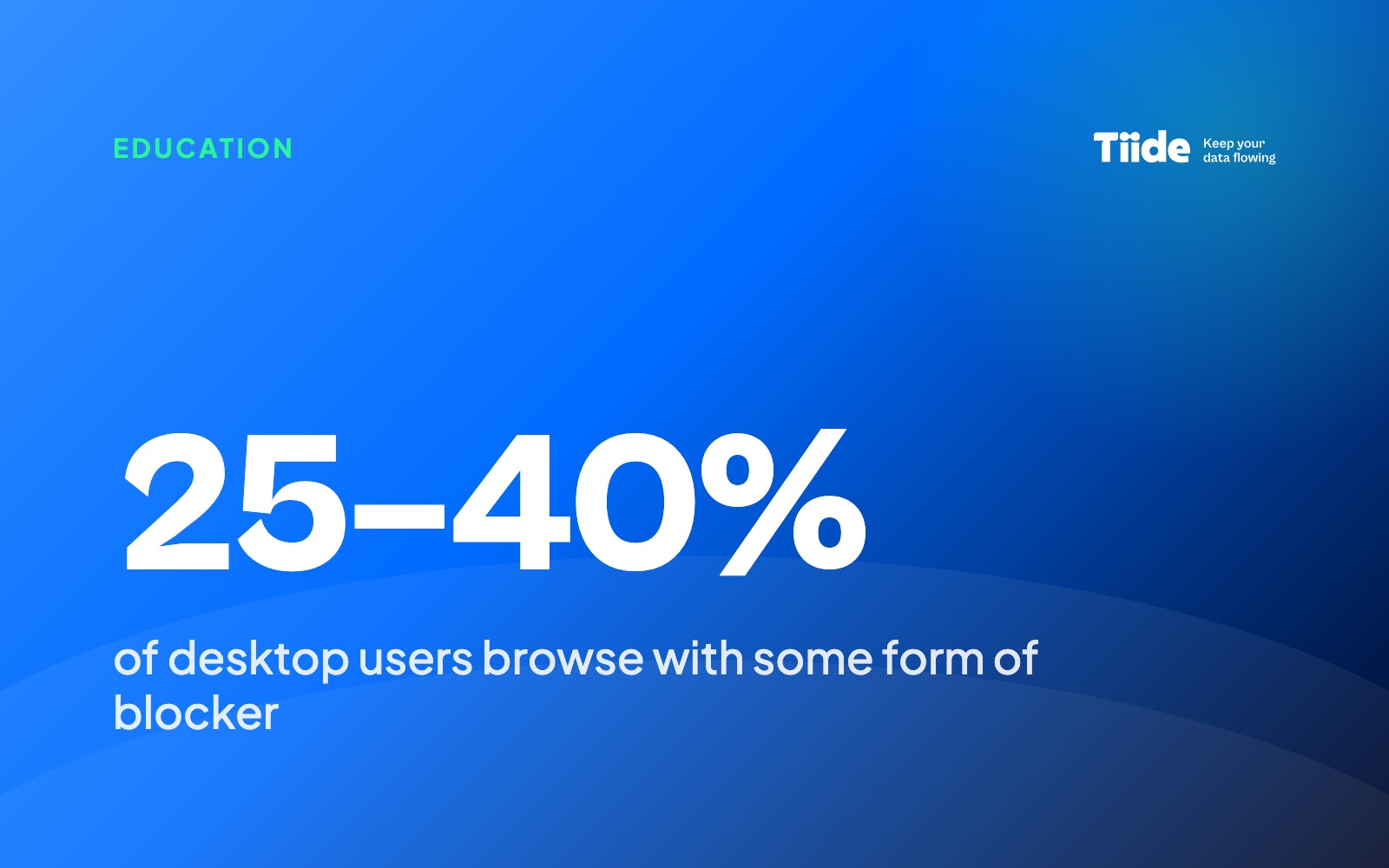
Ad blockers get discussed as a nuisance. They're actually a structural problem for digital marketing measurement – and the numbers are more confronting than the industry tends to acknowledge.
"Server-side tracking" sounds like something that lives firmly in the developer's domain. And for years, it did. That's changing. Here's what you actually need to know – without the jargon.
Your analytics may be underreporting conversions due to ad blockers, browser privacy restrictions and lost client-side tracking signals – leading to poorer decisions and misleading performance metrics. Server-side tracking helps recover cleaner, more reliable data so you can optimise campaigns with confidence.